Fabregas vs. Modric: Was He Ever Truly World-Class?
The debate surrounding Cesc Fàbregas' legacy in modern football is as complex as his career trajectory. A prodigiously talented midfielder who burst onto the scene at Arsenal, Fàbregas captivated fans with his vision, passing range, and leadership. Yet, when his name is uttered in the same breath as contemporaries like Luka Modrić, a different discussion emerges: was Fàbregas ever truly "world-class"? This article delves into his illustrious career, comparing his peak years with Modrić's sustained excellence, and examining the nuances that define footballing greatness.
The Arsenal Maestro: A Star Forged in North London
At Arsenal, Fàbregas was the undisputed heartbeat of the team. From 2005 to 2011, he dictated play, sprayed passes, and chipped in with crucial goals and assists. During this period, many considered him among the elite midfielders in Europe, second only perhaps to the likes of Xavi and Iniesta at Barcelona. He was the quintessential modern number 8, possessing the flair of a playmaker with the grit of a central midfielder. The team was, to a significant extent, built around his unique strengths, with Arsène Wenger crafting a system that maximized his influence.
Interestingly, during their overlapping spells in the Premier League, Fàbregas often appeared a level above Luka Modrić, who was then making his mark at Tottenham Hotspur. Fàbregas's audacious passes and moments of individual brilliance often overshadowed Modrić's more understated, yet equally effective, performances. His early career showcased a captivating blend of skill and assertiveness, a "cockiness" as some described, that propelled him to stand out. This period at Arsenal cemented his reputation as a top-tier talent, leading many to believe he would seamlessly transition into a mainstay at any of Europe's superclubs.
Barcelona & Chelsea: A Shifting Identity
Fàbregas's move to his boyhood club, Barcelona, in 2011 was met with immense anticipation. The general sentiment was that he would further enhance an already legendary midfield featuring Xavi and Iniesta. However, his tenure at Camp Nou, while yielding trophies, didn't quite see him reach the same stratospheric heights as his illustrious teammates. It wasn't a failure by any stretch, but the formidable duo of Xavi and Iniesta set an impossibly high bar. Fàbregas found himself in a system that, while technically superb, required a different kind of positional discipline and tactical sacrifice than he was accustomed to at Arsenal.
His return to the Premier League with Chelsea in 2014 reignited his career in spectacular fashion. His first season, particularly, was a masterclass in playmaking, with his partnership with Diego Costa proving lethal. He rediscovered some of that lost "pride" and influential spark, orchestrating attacks and delivering a league-leading number of assists. Yet, this peak, much like his best moments at Barcelona, proved difficult to sustain consistently. Over time, Fàbregas seemed to struggle in systems that didn't fully play to his specific strengths, especially as his physical attributes, crucial for a box-to-box midfielder, began to show signs of decline. Some argue that his early successes at Arsenal, under a manager like Wenger who "indulged his flaws" and built the team around him, allowed him to thrive in a Premier League that was, arguably, less tactically sophisticated than it is today.
This shifting identity, from the primary orchestrator to a highly effective, but sometimes peripheral, contributor, raises questions about adaptability. While his talent was undeniable, his ability to evolve and consistently impact games in varied tactical setups became a point of contention. For a deeper dive into this aspect of his career, consider reading The Fabregas Paradox: Arsenal Star's Decline Post-Barcelona.
The Modric Ascent: From PL Talent to Global Icon
In stark contrast to Fàbregas's journey, Luka Modrić's trajectory has been one of relentless ascent and remarkable longevity. While Fàbregas impressed many in the Premier League during their simultaneous stints, Modrić quietly built a reputation for exquisite ball control, tireless work rate, and incisive passing at Tottenham. His move to Real Madrid in 2012, initially met with some skepticism, proved to be the turning point.
Modrić, often shunted out wide or underestimated due to "lacking physicality" in his early years, truly blossomed when given the keys to Real Madrid's midfield engine room. He established himself not just as one of the best, but arguably *the* best midfielder of his generation. His uncanny ability to break lines, orchestrate tempo, and maintain possession under immense pressure, coupled with an incredible work ethic, saw him become the linchpin of a team that dominated European football, winning multiple Champions League titles. Unlike Fàbregas, whose impact sometimes waned in less tailored systems, Modrić demonstrated an unparalleled adaptability and consistency, thriving under various managers and alongside different teammates.
His understated yet profound influence, particularly in big games, and his Ballon d'Or win in 2018, cemented his status as a bona fide world-class legend. Modrić’s career serves as a testament to sustained excellence, proving that sometimes, the true measure of greatness lies in consistency and the ability to perform at the highest level for over a decade, adapting and evolving with the game.
The World-Class Conundrum: What Defines Greatness?
Defining "world-class" is inherently subjective, yet certain criteria consistently emerge:
- Consistency: The ability to perform at an elite level week in, week out, for an extended period.
- Impact: How much a player elevates their team, especially in crucial moments.
- Adaptability: Thriving in different systems, leagues, and under various managers.
- Longevity: Sustaining peak performance well into their career.
- Trophies/Recognition: Collective and individual accolades, though not the sole determinant.
While Fàbregas undoubtedly possessed incredible talent and delivered numerous world-class moments, his career arc suggests he perhaps didn't achieve the same level of sustained, adaptable, and trophy-laden impact as Modrić. The forum discussions cited highlight a common sentiment: Fàbregas was "genuinely great when he was young," but struggled to maintain that same intensity and influence as he matured, especially when not the tactical focal point. This is no shame; reaching the pinnacle of football and staying there is an incredibly rare feat.
It's also crucial to acknowledge that the game has evolved. The Premier League of Fàbregas's early Arsenal years was indeed less tactically nuanced, with many teams still deploying a rigid 4-4-2. As football became more intricate, demanding greater physical prowess and tactical flexibility from central midfielders, players like Fàbregas, whose brilliance lay in specific areas, sometimes found it harder to adapt without the entire team being built around them. This is not to diminish his talent, but rather to contextualize his journey within the sport's ongoing evolution.
Conclusion: Acknowledging Fabregas' Legacy and the Nuance of Greatness
So, was Cesc Fàbregas ever truly world-class? The answer is nuanced. He certainly had periods where his performances were unequivocally world-class, particularly during his Arsenal peak and his initial season at Chelsea. His vision, passing, and ability to unlock defenses were second to none. However, when measured against the unparalleled consistency, adaptability, and sustained impact of Luka Modrić across a full decade at the absolute summit of European football, Fàbregas's claim to *prolonged* world-class status becomes a more complex discussion.
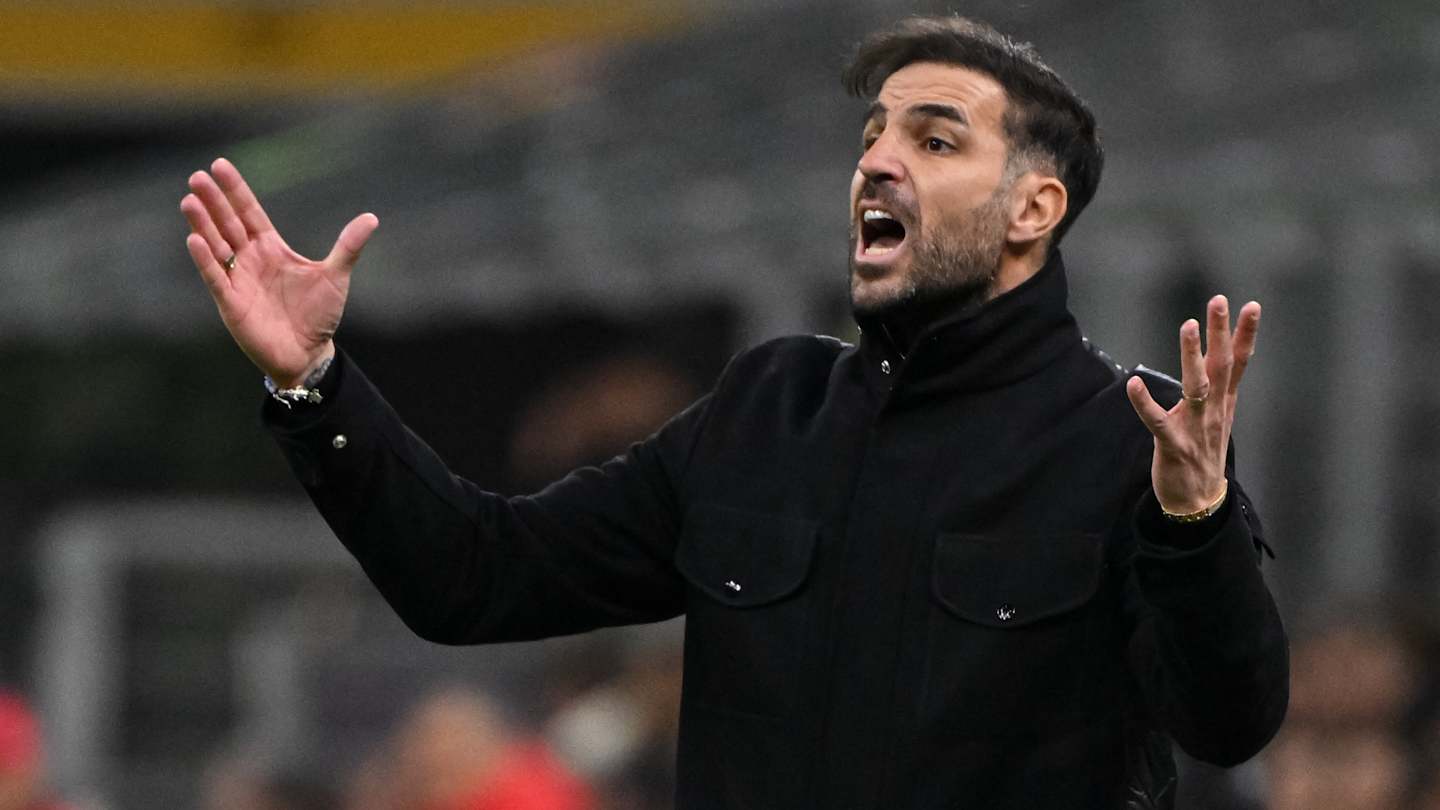
Perhaps it's fairer to say Fàbregas was a player of immense, generational talent who produced moments and seasons of world-class quality, but whose overall career didn't quite hit the consistent, era-defining peaks that Modrić achieved. Nevertheless, his legacy is one of a brilliant playmaker, a midfielder who redefined the role at Arsenal, and a player who enjoyed a decorated career across multiple top leagues. Even now, his journey continues, with Cesc Fabregas' New Role: Head Coach at Italian Club Como, where he brings his vast experience and tactical understanding to the sidelines in Italian football, proving that his love for the beautiful game endures.